



Understanding Lithium-Ion Battery Fundamentals and Risks
Lithium-ion batteries power many of our favorite gadgets. Our phones, laptops, and cordless tools all use them. These batteries pack a lot of energy into a tiny space. This high energy density is great for shrinking devices. But it also means we need to handle them carefully. To keep everyone safe, it's important to know how to make lithium ion battery charging safe.
Inside a lithium-ion battery, chemicals react to make electricity. Charging reverses this process. Lithium ions move between the battery parts. This movement fills up the battery. It's a very efficient way to store power.
These batteries are good, but they do have risks. If they overcharge or get damaged, they can get too hot. This can lead to something called thermal runaway. The battery's inside temperature goes up very fast. This creates a chain reaction. The battery might then catch fire or even explode.
These events are rare, but they can be very dangerous. For example, in 2023, US fire departments reported over 200 incidents. These were just with lithium-ion batteries. Most happened because of charging mistakes or damaged batteries. So, safe charging is really important. Using the right charger and watching your devices helps a lot. Knowing these basics keeps us safe. It also helps our devices last longer.
Essential Practices for Safe Lithium-Ion Charging

Safe charging starts with good habits and the right gear. Simple steps can cut down risks a lot. Knowing basic charging rules protects your devices. It also protects your home. Following these practices makes a safe battery storage for home environment.
The Right Charger and Cable: A Non-Negotiable Step
Always use the charger and cable that came with your device. Manufacturers design these items very carefully. They match the exact power needs of your device. Using unauthorized or cheap alternatives can cause problems. These generic chargers might not deliver steady power. This can slowly harm the battery. It can also make the battery dangerously hot. For example, never use a laptop charger for your phone. Groups like UL (Underwriters Laboratories) certify reliable third-party chargers. Look for their mark if you need a replacement. The UK Electrical Safety First charity says faulty chargers cause many house fires. Using the correct accessories is key for lithium ion battery charging safe methods.
Optimal Charging Environments and Avoiding Overcharging
Where you charge your device really matters. Always pick a cool, dry spot with good airflow. Don't charge devices on things that can easily catch fire. This includes beds or carpets. A hard, non-flammable surface is best. Think of a ceramic tile floor or a solid desk. Extreme temperatures are very bad for lithium-ion batteries. Charging in direct sunlight or a hot car wears them out fast. It also increases the risk of thermal runaway. Charging in freezing cold can also ruin battery cells for good. A room temperature between 10°C and 30°C is usually ideal. Always keep your charging area safe.
Overcharging is another big issue. Most modern devices have safety features to prevent this. But leaving a device plugged in past 100% still strains the battery. For instance, leaving a laptop plugged in for days reduces its total lifespan. Unplug your devices once they are full. This small habit makes your battery last longer. It also lowers long-term risks. You can even use smart plugs to cut power automatically. This helps keep your best battery charging station safety for your lithium ion battery.
Recognizing and Responding to Battery Issues
Even if you are careful, batteries can still have problems. Knowing what to look for and how to act quickly is very important. Catching issues early stops bigger problems. Correct responses protect your belongings and yourself. This section helps keep your lithium ion battery charging safe by teaching you how to spot and react to dangers.
Identifying Warning Signs of a Compromised Battery
Several things can tell you a lithium-ion battery might be damaged. Look for any changes in its shape. Swelling is a clear sign. The battery case might bulge or puff up. This shows gases are building up inside. Another warning is leaking fluid. This liquid can burn you and is flammable. If the battery gets unusually hot when charging or in use, that's also a problem. Batteries get warm, but too much heat is a red flag. Hissing or popping sounds mean there's internal damage. Any strange smells, especially sweet or chemical ones, are serious warnings. If you see any of these, stop using the battery right away. Taking these signs seriously helps ensure lithium ion battery charging safe conditions.
Emergency Protocol: When a Battery Overheats or Catches Fire
If a lithium-ion battery gets too hot, unplug it from power. Do this only if you can do it safely. Move it to an open, non-flammable spot. Keep it away from other things. For instance, put it on concrete outside. If a battery does catch fire, you need to act fast. Do not use water on a lithium-ion battery fire. Water can make the fire worse. Instead, use a Class D fire extinguisher. These are made for metal fires. If you don't have one, sand can smother small flames. Indoors, a fire blanket might help contain a small fire. However, the safest thing is to leave the area quickly. Then, call emergency services, like 911. Never try to fight a large or spreading lithium-ion battery fire yourself. Your safety is the most important thing. Knowing this plan is vital for lithium ion battery charging safe practices.
Enhancing Safety with Specialized Charging Accessories
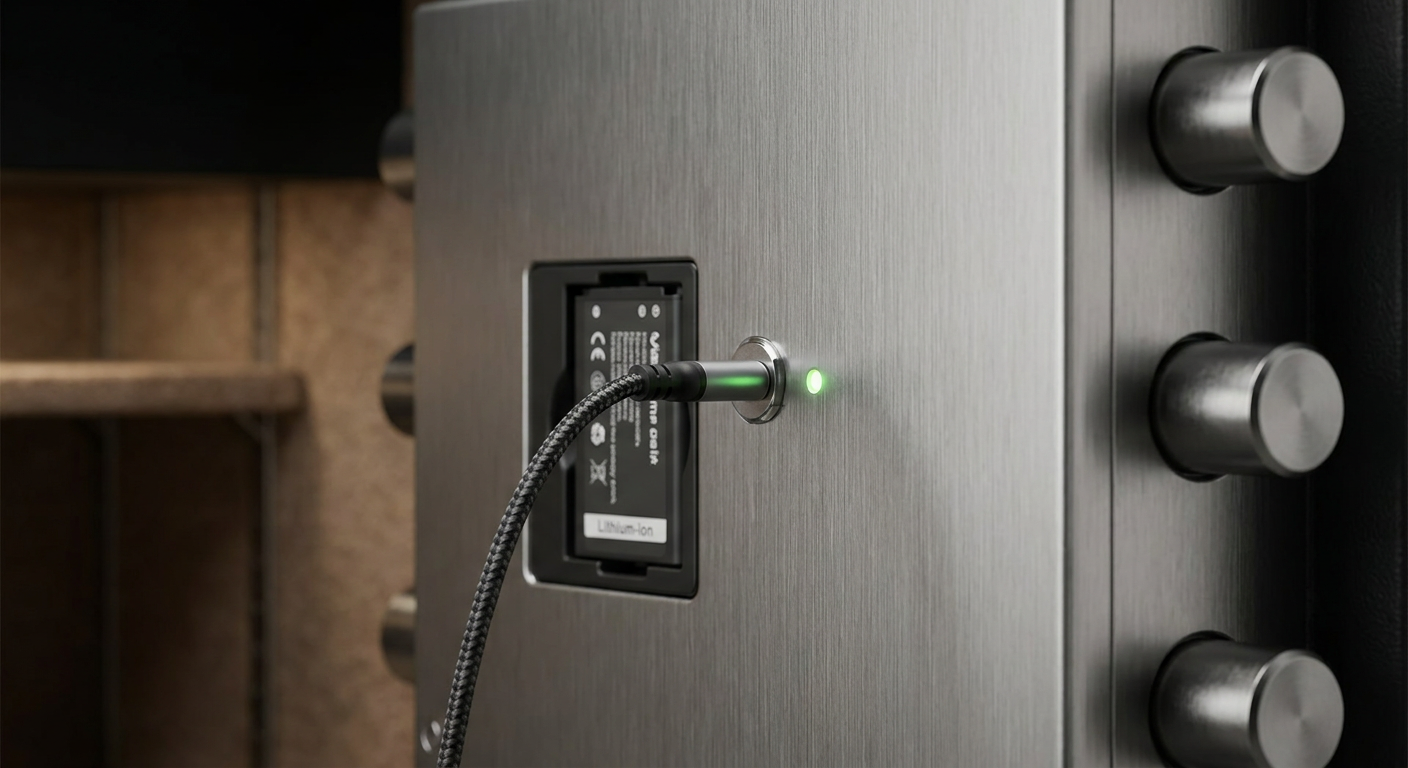
Beyond just the charger, some accessories can make things even safer. Fire-resistant bags and boxes give an extra layer of protection. These items can contain a thermal runaway event. They greatly slow the spread of fire and smoke. This containment stops a lot of property damage. It also gives emergency responders critical time. These accessories are key for lithium ion battery charging safe practices.
Consider a fire-resistant charging bag for smaller batteries. These bags are made with strong, fire-resistant materials. They create a safe, non-flammable place for charging. For bigger batteries or many packs, fire-resistant storage boxes are better. These boxes are built tough. They also have tight seals. They can handle intense heat for a long time. Both options are easy to use. Just put your device or battery inside before you charge it. This simple step costs little. Yet, it could save your home from a terrible fire. The peace of mind alone is worth it. This is especially true for powerful lithium-ion cells. Always think about making your lithium ion battery charging safe environment even better.
Conclusion: Prioritizing Lithium-Ion Battery Charging Safety
Keeping your lithium ion battery charging safe isn't just a suggestion. It's truly essential for protecting your devices and yourself. By understanding how these powerful batteries work, we can lessen their risks. Following simple charging rules, like using the correct chargers and setting up good charging spaces, really cuts down on accidents. Knowing the early signs of battery trouble and what to do in an emergency is also important. Plus, special accessories like fire-resistant bags offer more protection. These steps help prevent fires and costly damage. Make safe charging a top priority for all your devices that use lithium-ion batteries. Your carefulness creates a safer space for everyone using this technology. This guide gives you the information you need for smart battery handling. Use these practices for a worry-free charging experience every time. Always put safety before convenience. This helps your devices last longer too.
About This Article
Editorial Disclosure: This article was researched and written by our content team to provide helpful, accurate information about lithium ion battery charging safe. We regularly review and update our content to reflect the latest industry developments and best practices.


