



Searching for a secure spot for your most important papers? Wall safes for documents offer fantastic protection. These hidden units keep vital papers safe from theft and fire. They greatly boost your home or business security.
The Strategic Advantage of Wall Safes for Document Security
Let's explore why wall safes are a smart choice for your security needs.
Wall safes are a clever way to protect important papers. These hidden compartments fit right inside your wall. They secure valuables such as passports, property deeds, and financial records. Their key benefits are being discreet and saving space.
A hidden safe adds an extra layer of protection. It deters thieves because it's hard to find. Many homeowners choose wall safes for peace of mind. They know their crucial documents are safe inside.
What Makes Wall Safes Ideal for Valuables
Beyond being discreet, wall safes have features that make them perfect for your most valuable documents.
Wall safes blend right into your living space. They fit between wall studs and sit flush with the surface. This design makes them very discreet. You can easily cover them with a painting, a mirror, or furniture.
Being hidden is a big advantage for document storage. Wall safes save floor space, unlike big freestanding units. They are perfect for small homes or offices. Many models even offer crucial fire protection for your paper documents.
Understanding Different Types of Discreet Document Safes
To choose the right safe, you need to know about the different types and what makes them unique.
Wall safes for documents come in different styles. Standard models are shallow, fitting typical wall depths. Deeper versions give you more internal space. These might need more extensive changes to your wall during installation.
Some safes are even built to be totally hidden. They might look like an electrical outlet or a simple wall vent. These clever designs offer maximum discreet storage. They help protect your most sensitive items.
Locking mechanisms also vary quite a bit. Keyed locks are a traditional, reliable choice. Combination locks offer security without a physical key. Digital keypads give you quick access with a personal code.
For the fastest entry, some wall safes use biometric fingerprint scanning. This means only authorized people can quickly get to documents. Choosing the right lock depends on your security needs. Think about how often you'll need to open your documents.
Essential Features for Document Protection in Wall Safes

When picking a wall safe for documents, look past the type. Think about key features that truly protect your papers.
Choosing a wall safe means more than just simple storage. For vital documents, specific features are essential. These elements ensure your papers survive hazards and resist theft. Strong construction and advanced security will protect your most important items.
Ensuring Document Protection Against Environmental Hazards
Fire and water are big threats to paper documents. This means specific safe features are crucial.
Paper documents are easily damaged by fire and water. A high-quality wall safe must protect against both. Always look for safes with certified fire ratings. Underwriters Laboratories (UL) tests safes for how well they resist fire.
A UL Class 350 1-hour rating is vital for paper. This means the safe's inside temperature stays below 350°F for one hour. This holds true even when the outside reaches 1700°F. Paper can char if temperatures go above 350°F.
Water resistance is just as important. Firefighter hoses or burst pipes can quickly ruin unprotected documents. Some wall safes have airtight seals or special gaskets. These features help keep water out.
While a universal water rating is uncommon, manufacturers state their safe's resistance. Always check these details for your chosen safe. Make sure the safe comfortably holds legal-sized papers and A4 documents. Measure your largest items before picking a model for the right fit.
Evaluating Security Mechanisms and Build Quality
Beyond environmental protection, your wall safe for documents needs good build quality and strong locks.
The physical build and locking system are crucial for stopping unwanted access. Start by checking the steel gauge. This number tells you the steel's thickness. A lower gauge means thicker steel.
For example, a 10-gauge steel door is much stronger than a 14-gauge door. Thicker steel makes the safe harder to pry open or cut into. This really deters forced entry. Always check the steel gauge before you buy.
Strong locking mechanisms are another key part. Common options include electronic keypads, mechanical dials, and biometric scanners. Electronic keypads provide quick access with codes you can change. Mechanical dials offer reliable security without batteries.
Biometric locks, using fingerprints, are super convenient and very secure. Many quality safes also have live locking bolts that reach deep into the safe body. They often include internal deadbolts on the hinge side. Anti-drill plates protect the lock mechanism from common attack methods.
Selecting the Right Location and Ensuring Secure Installation
Even the best wall safe for documents needs the right spot and proper installation. This ensures maximum security.
Choosing the Optimal Location for Concealed Storage
For the best hidden storage, pick spots that offer privacy and are easy for you to reach.
Being discreet is vital for a document wall safe. Think about private areas, not spots everyone looks at first. Many homeowners put safes inside a closet. Clothes or other items can easily hide the safe.
A home office is another good choice. Think about spots behind large furniture, like a bookcase or filing cabinet. Always make sure you can easily get to it. However, it should stay out of sight from visitors.
A bedroom closet, pantry, or utility room can offer good privacy. When planning, think about standard wall stud spacing. Most wall safes fit between studs that are 16 or 24 inches apart on center. This spacing is common in many homes.
Picking an interior wall often helps avoid moisture problems. It also stops temperature changes. These factors could affect sensitive documents over time. Interior walls provide better protection for your valuables.
Installation Best Practices for Maximum Security
Proper installation is as important as the location. This ensures your wall safe for documents offers maximum security.
A secure installation begins by finding wall studs accurately. A reliable stud finder is an essential tool here. Mark the stud locations clearly. This makes sure the safe mounts firmly to your wall's structure.
Next, use a level to mark the safe's exact opening. Precise cutting is crucial for a snug fit. This snug fit stops the safe from being easily removed. Careful measurements are key to success.
Common tools include a drill, a saw for drywall or plaster, and a tape measure. Once the opening is ready, the safe slides right into place. Fasten it securely to the studs using strong lag bolts or screws. These often come included with the safe.
A proper fit stops the safe from being easily pried out. Many people find professional installation offers peace of mind. Experts have the right tools and experience. They ensure the safe is installed exactly as the manufacturer intended.
Doing it yourself can save money. However, it needs careful attention to detail. Always follow the manufacturer's instructions precisely. Incorrect installation can weaken your safe's protection.
For heavy-duty safes or those needing structural changes, a certified professional is a smart choice. Their work often comes with guarantees. This adds another layer of confidence. Professional installation truly maximizes your document protection.
Recommended Document Wall Safe Solution
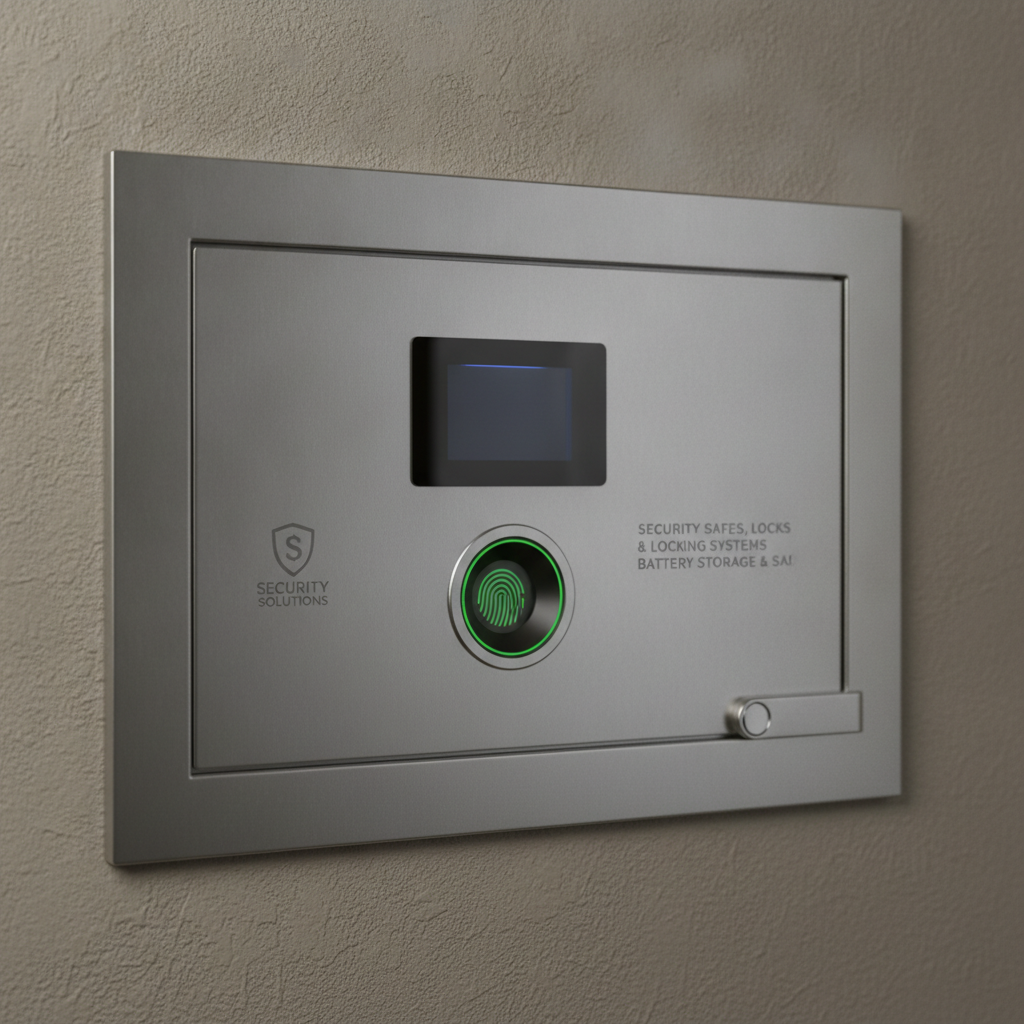
Thinking about all these points, one type of wall safe truly stands out for document protection.
For vital document protection, I highly recommend a wall safe with certified fire resistance. These units often have ratings like EN 15659. They safeguard paper contents for at least 30 minutes during intense fires.
Strong locking mechanisms are crucial for these safes. They often use multi-directional solid steel bolts. Advanced electronic or high-security mechanical locks provide strong protection. This really deters forced entry attempts.
A wall safe's discreet design is a big benefit. They fit flush into a wall. You can easily hide them behind artwork or furniture. This hidden placement greatly boosts security. It makes the safe less obvious to intruders.
This solution gives you strong protection against theft and fire. It secures your vital records. Investing in such a safe brings peace of mind. It ensures your documents are well-protected.
Conclusion
Choosing the right wall safe for documents is a smart investment. It protects your personal and financial security.
Wall safes offer a smart, discreet way to protect vital documents. They provide strong security, keeping important papers safe from theft. They often offer crucial fire resistance. Investing in a wall safe brings peace of mind for your most crucial records.
Consider exploring other security options for your home or business. Finding the perfect fit for your needs helps protect your valuable documents.
About This Article
Editorial Disclosure: This article was researched and written by our content team to provide helpful, accurate information about wall safes for documents. We regularly review and update our content to reflect the latest industry developments and best practices.


