



Understanding Certified Security Safes: Ratings and What They Mean
Securing your valuables requires more than a simple locked box. For robust protection, certified security safes are essential. These units provide security verified independently. They undergo rigorous testing by third-party groups, ensuring they withstand specific threats. Choosing a certified safe offers crucial peace of mind and brings significant insurance advantages.
Understanding Certification for Certified Security Safes
What Makes Certified Security Safes Truly Certified?
Certified security safes earn their status through intense, independent examination. Third-party laboratories conduct these evaluations, separate from manufacturers. They prove a safe's resistance to various attack methods. This offers unbiased verification, unlike unrated safes.
The certification process tests safes using specific tools and time limits. This includes checking resistance to drilling, prying, or cutting attempts. European standards, such as EN 1143-1 from ECBS, precisely define rules for these tests. These standards ensure a safe meets a defined level of protection.
Underwriters Laboratories (UL) stands as another prominent authority. It verifies a safe's construction and performance, particularly in North America. These benchmarks guarantee a precise level of protection.
Unrated safes present an unquantified level of security. Manufacturers may assert resistance, but no independent body validates these claims. Their genuine capabilities thus remain unclear.
A certified safe bears a definitive rating. This confirms its proven ability to withstand specific threats for a stated duration. This rating offers a transparent measure of its defensive capabilities. Without certification, a safe's true performance remains unverified.
Beyond Protection: Peace of Mind and Insurance Advantages
The most immediate benefit of a certified safe lies in tangible asset security. Placing valuables within a proven barrier offers profound peace of mind. This assurance covers assets from cash and jewelry to vital documents or firearms. One can trust the safe's performance under duress, mitigating significant concern.
Furthermore, certified safes frequently provide distinct insurance benefits. Many insurers extend reduced premiums to policyholders. This applies especially when high-value items reside within a certified safe.
Insurers acknowledge the reduced risk associated with these rigorously tested units. A certified safe considerably lowers the probability of successful theft. This positively influences their risk assessment.
Some policies even stipulate the use of a certified safe for specific valuables. For instance, a home insurance policy might require an EN 1143-1 Grade 1 safe for protecting high-value jewelry. Similar requirements extend to businesses safeguarding substantial cash sums.
The safe's certification rating often directly correlates with maximum insurable limits. Always consult your insurance provider for precise details. They can clarify specific requirements and potential financial advantages. A considered investment in a certified safe can yield significant long-term benefits.
Grasping these foundational benefits proves essential. We will now decode specific security safe ratings to ensure appropriate protection.
Decoding Security Safe Ratings and Standards
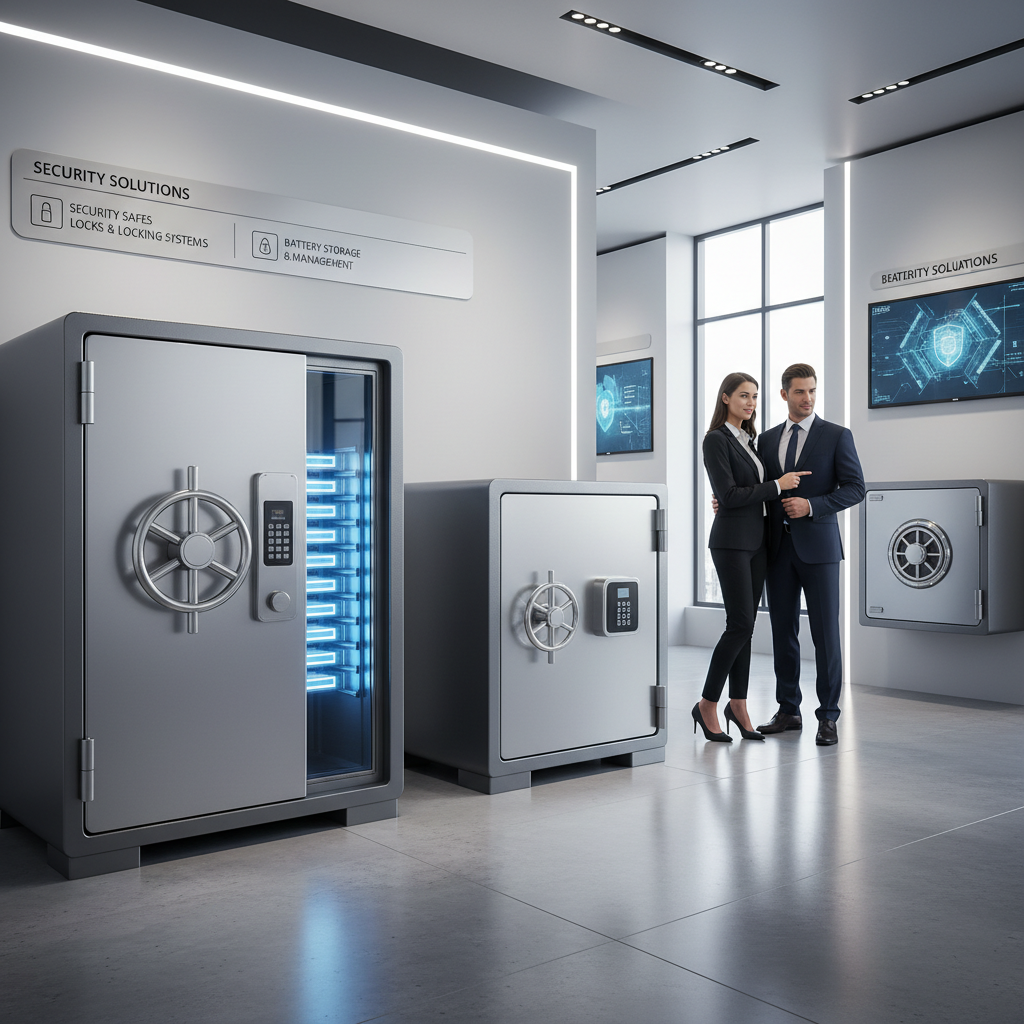
Selecting a security safe extends beyond merely choosing a size. Understanding certified security safe ratings proves crucial. These ratings convey precisely how effectively a safe protects against theft and fire.
Independent laboratories rigorously test each safe. Their certifications provide a clear, impartial measure of a safe's inherent strength. This understanding empowers you to select the appropriate protection for your valuables.
UL Burglary Ratings Explained: From RSC to TRTL
Underwriters Laboratories (UL) operates as a global authority in safety certification. It establishes some of the most widely recognized standards for security safes. UL burglary ratings specify the duration a safe resists attacks from particular tools. These evaluations are notably rigorous.
- RSC (Residential Security Container): This entry-level designation indicates the safe resists common hand tools for a minimum of five minutes. It provides fundamental protection for residential valuables.
- TL-15: Safes with this rating withstand professional burglars employing common hand tools and prying implements. It resists unauthorized entry for a minimum of 15 minutes. This designation signifies a considerable advancement in security.
- TL-30: This designation indicates a safe resists advanced burglary tools for a minimum of 30 minutes. Such tools include drills, sledgehammers, and high-impact prying devices. Many businesses select TL-30 rated safes for safeguarding cash and vital documents.
- TL-30x6: This rating mirrors TL-30, yet the 'x6' indicates the safe underwent testing on all six sides. This provides significantly enhanced all-around protection. Such comprehensive testing fortifies security against sophisticated attacks.
- TRTL-15: This rating signifies resistance to 'torch and tool' attacks for 15 minutes. It defends against cutting torches, in addition to standard burglary implements. These safes are engineered for exceptionally high-value items, offering specialized defense.
- TRTL-30: As the highest common UL burglary rating, it resists sophisticated torch and tool attacks for 30 minutes. It provides superior protection against a broad spectrum of intense methods. This rating is indispensable for safeguarding the most valuable assets.
Fire Resistance: Understanding UL Fire Ratings
Beyond burglary, fire presents another grave threat to valuables. UL furnishes critical fire resistance ratings. These indicate the duration a safe maintains a secure internal temperature during a fire.
A typical fire resistance test involves positioning the safe within a furnace. Inside, the temperature rapidly ascends, simulating actual fire conditions. This rigorous testing ensures consistent reliability.
- 1-hour (1200°F): The safe's internal temperature will not surpass 350°F when exposed to 1200°F for one hour. Paper documents char at 400°F, rendering this rating excellent for their protection. It provides vital protection against the loss of documents.
- 2-hour (1200°F): This safe protects its contents for two hours under identical external temperatures. It provides extended safety for critical documents. This doubled duration offers enhanced security for significant records.
Specialized fire ratings also exist for digital media. Data storage devices, such as hard drives or USB sticks, are more susceptible to heat than paper. They can incur damage at temperatures as low as 125°F.
Seek specific 'data media' or 'digital media' fire ratings for these sensitive items. These safes employ advanced insulation. This maintains significantly lower internal temperatures, ensuring data integrity.
European EN Standards and Other Specialized Certifications
While UL remains prominent, European EN standards enjoy broad recognition, particularly within the UK. The European Committee for Standardization (CEN) develops these benchmarks. They furnish a unified framework across Europe. These standards prove crucial for international trade and insurance purposes.
- EN 1143-1 (Burglary): This standard employs a grading system, ranging from Grade 0 to Grade VI and beyond. Higher grades denote superior resistance against sophisticated tools. Each grade corresponds to specific cash and valuables insurance ratings, proving vital for businesses. Testing entails professional attack teams utilizing a broad array of tools.
- EN 1047-1 (Fire): This standard addresses fire protection specifically for data and documents. It specifies maximum permissible internal temperature rises and humidity levels. This ensures sensitive materials remain intact even after fire exposure. For instance, S 60 P denotes 60 minutes of protection for paper.
- S 120 DIS indicates 120 minutes of protection for data media. These detailed ratings are indispensable for digital preservation. They offer clear guidance tailored to specific media types.
Beyond these primary standards, several niche certifications address specific requirements. The California Department of Justice (DOJ) certification, for instance, proves vital for firearm owners. It ensures a safe meets minimum construction and locking requirements for secure gun storage. This effectively prevents unauthorized access.
The GSA (General Services Administration) certification offers another pertinent example. It applies to security containers utilized by government agencies. These containers meet stringent requirements for safeguarding classified materials. Understanding these certifications helps align a safe precisely with its intended purpose.
When selecting a security safe, certification serves as an indispensable starting point. However, other practical considerations hold equal significance. Considering these factors and verifying certification ensures an optimal choice. This leads directly to a key recommendation for UK users.
Key Considerations Beyond Certification Ratings
Beyond a safe's certified burglary or fire rating, numerous practical details influence its selection. First, meticulously assess the required size and internal capacity. Consider the specific items designated for storage.
This includes documents, jewelry, cash, or even firearms. Consider not only current requirements but also potential future additions. A safe proving too small swiftly becomes inadequate.
Next, evaluate the preferred locking mechanism. Options include traditional key locks, mechanical combination dials, or contemporary electronic keypads. Key locks offer simplicity but demand meticulous key management.
Combination locks provide robust security without the need for keys, though access can be slower. Electronic locks facilitate quick entry and frequently feature audit trails. These audit trails record entry times, thereby enhancing overall security.
Installation requirements represent another crucial factor. Many certified security safes are substantial, necessitating professional delivery and installation. Bolting a safe to the floor or wall significantly enhances its resistance to unauthorized removal.
This often renders a safe more secure than a freestanding unit. Consider the safe's optimal placement within your home or business. Access to installation points remains essential for proper setup.
Finally, reflect upon the specific assets designated for protection. A safe with a high cash rating offers potent theft deterrence. Industry estimates suggest a higher cash rating implies thicker steel and more complex locking systems.
If fire protection is paramount, ensure the safe possesses a certified fire rating. This safeguards heat-sensitive documents or digital media. The optimal safe balances certified protection with practical daily usability. A wise choice truly secures your valuable assets.
How to Confirm Genuine Safe Certification
Ensuring your chosen safe holds genuine certification constitutes a critical step. Always examine the safe itself for official labels or plaques. These are typically located on the interior of the door, back, or side panels.
Such labels prominently display the certifying body's official logo. They also present the specific certification rating and a unique serial number. This swiftly confirms authenticity.
Next, meticulously review all accompanying documentation. A new certified safe should arrive with a certificate of conformity or a similar official document. This paperwork details the safe's model, its certification level, and the issuing body.
Ensure this documentation precisely matches the label affixed to the safe. This consistency serves as a robust indicator of authenticity. It confirms the authenticity of your purchase.
For enhanced assurance, consult the certification body's official website. Many leading organizations maintain online registries or comprehensive databases. One can often input the safe's model or serial number there.
This enables direct verification of its certification status. For instance, the Loss Prevention Certification Board (LPCB) offers such a comprehensive directory. Always utilize the official website for these essential checks. This prevents counterfeit claims and confirms a truly reliable security solution.
Featured Product Recommendation: High-Security UK Safes
For UK homeowners and businesses requiring top-tier asset protection, consider a Eurograde certified security safe. These units meet stringent European standards, such as EN 1143-1. These standards precisely dictate their resistance to various attack methods.
A Eurograde safe typically comes with specific cash ratings, often ranging from £6,000 to £150,000. These ratings multiply tenfold for valuables, a factor vital for insurance purposes. This ensures comprehensive insurance coverage.
Many models also incorporate fire protection. They safeguard documents and digital media against extreme temperatures. These safes are ideal for securing high-value jewelry, vital documents, or significant cash reserves.
Choosing a verified Eurograde certification ensures robust security for your most valuable possessions. It provides significant peace of mind. This investment truly safeguards your assets. Safe Battery Storage for Home: Essential Safety Tips for UK Homeowners
About This Article
Editorial Disclosure: This article was researched and written by our content team to provide helpful, accurate information about certified security safes. We regularly review and update our content to reflect the latest industry developments and best practices.


