



Understanding Mortice Hooklatches: More Than Just a Lock
This guide will show you how to install a mortice hooklatch. These latches offer special security benefits. They are not just any lock. Their unique design makes them very hard to force open. This makes them a great choice for many doors, from garden gates to secure office entries. Knowing these differences helps you pick the right security for your place.
What Makes a Hooklatch Different?
A mortice hooklatch has a special hooked bolt. This bolt sticks out and "hooks" into a plate on the door frame. Regular mortice locks use a straight bolt. The hooklatch's design creates a strong connection between the door and its frame. This makes it much tougher to pry the door open. The hooked part resists common break-in tricks. For example, a burglar trying to jimmy the door would find it incredibly hard to move the hooked bolt. Locksmiths agree the hooked action gives more strength than a standard straight bolt.
This special design makes it much more secure than a typical mortice lock. The bolt often connects with a very strong strike plate. This plate is made to fit the hook. The action feels smooth but is incredibly secure. It keeps the door firmly shut, even under lots of pressure. The inside parts are also built to last. This reduces wear and tear. This design helps the lock stay strong over time, making it a reliable security feature.
Security and Aesthetic Benefits
The main benefit of a mortice hooklatch is its excellent security. Its hooked bolt makes it very hard to pull out. This stops common break-in methods like crowbar attacks. Many users say they feel safer with this type of lock. For example, a small business owner might use a hooklatch on their back door, where security is a big worry. This specific mechanism can handle over 1,500 pounds of force. That's based on some factory tests. This impressive strength shows how well it can protect.
Besides security, hooklatches also look good. They go inside the door, giving a clean, flat finish. This hidden look is often better than bulky locks on the outside. They fit well with many door styles. This is especially true for modern designs. Homeowners like the sleek look, as it keeps the door's original appearance. A well-installed hooklatch can also make a door seem higher quality. This improves how it looks.
Choosing the Right Mortice Hooklatch for Your Door

Picking the right mortice hooklatch is key for both security and proper use. A good hooklatch fits your door perfectly. It also offers the protection you need. Think about a few main things before you buy one. This helps ensure a secure and lasting installation. Taking time to look into it now will save you trouble later. This section will help you pick the best one for your needs.
Key Considerations: Backset, Door Thickness, and Material
The backset is a very important measurement. It's the distance from the door's edge to the middle of the hooklatch's spindle hole. Common backsets are 45mm, 57mm, and 80mm. Make sure this matches your door frame and other hardware. Next, measure how thick your door is. Standard UK doors are usually 35mm to 44mm thick. Your hooklatch must fit this size. A poorly fitting latch can cause problems. It could make the lock less secure and not work right. Always check these measurements carefully for a perfect fit.
The material's strength is another important point. Hooklatches are usually made from steel, brass, or stainless steel. Stainless steel fights rust very well. This makes it great for outdoor doors or damp places. Brass is often chosen for its looks and good resistance to wear. Steel is a strong, cheaper option. For instance, a heavy-duty steel hooklatch might be best for a workshop door. A brass one could be good for a fancy inside office door. Each material has benefits depending on where and how you use it.
Security Ratings and Certifications
Look for hooklatches with good security ratings first. These ratings tell you how strong the product is against attacks. Check for BS EN 12209 certification. This is a European standard for mechanical locks. This standard sorts locks by things like how long they last, how well they resist rust, and how secure they are. It uses a 1-7 grade system, with grade 7 being the most secure. Knowing these grades helps you pick the right level of protection.
For outside doors or doors protecting valuable items, a hooklatch with a higher security grade is better. For example, a Grade 5 or 6 hooklatch is very hard to force open. Always look for the "Kitemark" symbol. This means an independent group has tested the product. It confirms it meets British Standards. Good manufacturers will clearly show these certifications. This ensures you are buying a product that meets strict security tests. This gives you peace of mind.
Step-by-Step Mortice Hooklatch Installation Guide
Putting in a mortice hooklatch can greatly improve your door's security. It's different from a standard mortice lock because it uses a hook. This guide breaks down the job into clear, easy steps. Following these instructions carefully helps make sure it's installed well and works right. You will learn exactly how to install a mortice hooklatch for the best performance.
Tools and Preparation for Installation
Before you start, get all your tools and materials ready. Having everything handy saves time and trouble. You will need a mortice hooklatch kit, a measuring tape, and a pencil. A drill with different drill bits is essential. Often, a 20mm or 25mm spade bit works well for the main hole. You also need wood chisels of different sizes. A mallet or hammer helps with chiseling. A screwdriver set, including flathead and Phillips, is needed for screws. Always wear safety glasses to protect your eyes when drilling and chiseling. Good preparation is key for a smooth installation.
First, check your door and door frame. If you are replacing an old lock, remove all the old parts. This includes handles, covers, and the old lock body. Clean the area thoroughly. Look for any damage on the door's edge or face. Fix any big splinters or rot before you go on. Make sure the door opens and closes easily in its frame. A sticky door will make the latch harder to use. A well-prepared door ensures the hooklatch will work correctly and easily.
Accurate Marking and Morticing the Door
Marking precisely is vital for a good-looking installation. Most hooklatches come with a paper template. Stick this template to the door's edge where the hooklatch will go. The template usually shows where to cut the main mortice pocket and the spindle hole. Use a pencil to carefully trace all the marked lines onto the door's edge and face. Double-check these measurements against the actual hooklatch body. The hooklatch should be at a good height, usually around 90-100cm from the floor. Being accurate now will prevent problems later.
Next, you will cut the mortice pocket. Drill a series of overlapping holes along the marked lines for the main body. Use a drill bit slightly smaller than the hooklatch's width. This removes most of the wood. Then, use your chisels and mallet to make the pocket square. Work slowly and carefully, taking out small bits of wood at a time. The mortice should be deep enough for the hooklatch body to sit flush with the door's edge. Keep trying to fit the hooklatch as you chisel. The goal is a snug fit without forcing the body into the wood. After the main pocket, drill the hole for the spindle or cylinder. This is usually a larger, round hole through the door face. This step needs patience and accuracy for a perfect fit.
Securing the Hooklatch Body and Components
Once the mortice pocket is ready, put in the hooklatch body. It should slide in without too much force. If it's tight, take it out and carefully chisel a little more wood. Once it's in place, mark the screw holes on the faceplate. Remove the hooklatch, then drill small pilot holes for these screws. This stops the wood from splitting. Put the hooklatch back in and screw the faceplate down with the screws it came with. This careful method protects your door and makes for a strong installation.
Now, put in the inside parts. If your hooklatch uses a Euro cylinder, put it into its opening. Secure it with the long cylinder screw through the door's edge. For thumbturn versions, put together the thumbturn spindle and rose. Attach these to the door face. Make sure they operate the hooklatch smoothly. Finally, install any handles or covers. These often attach with bolts or screws that go through the door. Make sure they are lined up and tightened securely. But don't tighten them so much that they stop the hooklatch from working. Test the hooklatch many times. Make sure the hook goes out and in easily when you use the handle or thumbturn. A little graphite lubricant can help if it's stiff, ensuring it works smoothly for a long time.
Product Recommendation: High-Security Mortice Hooklatch
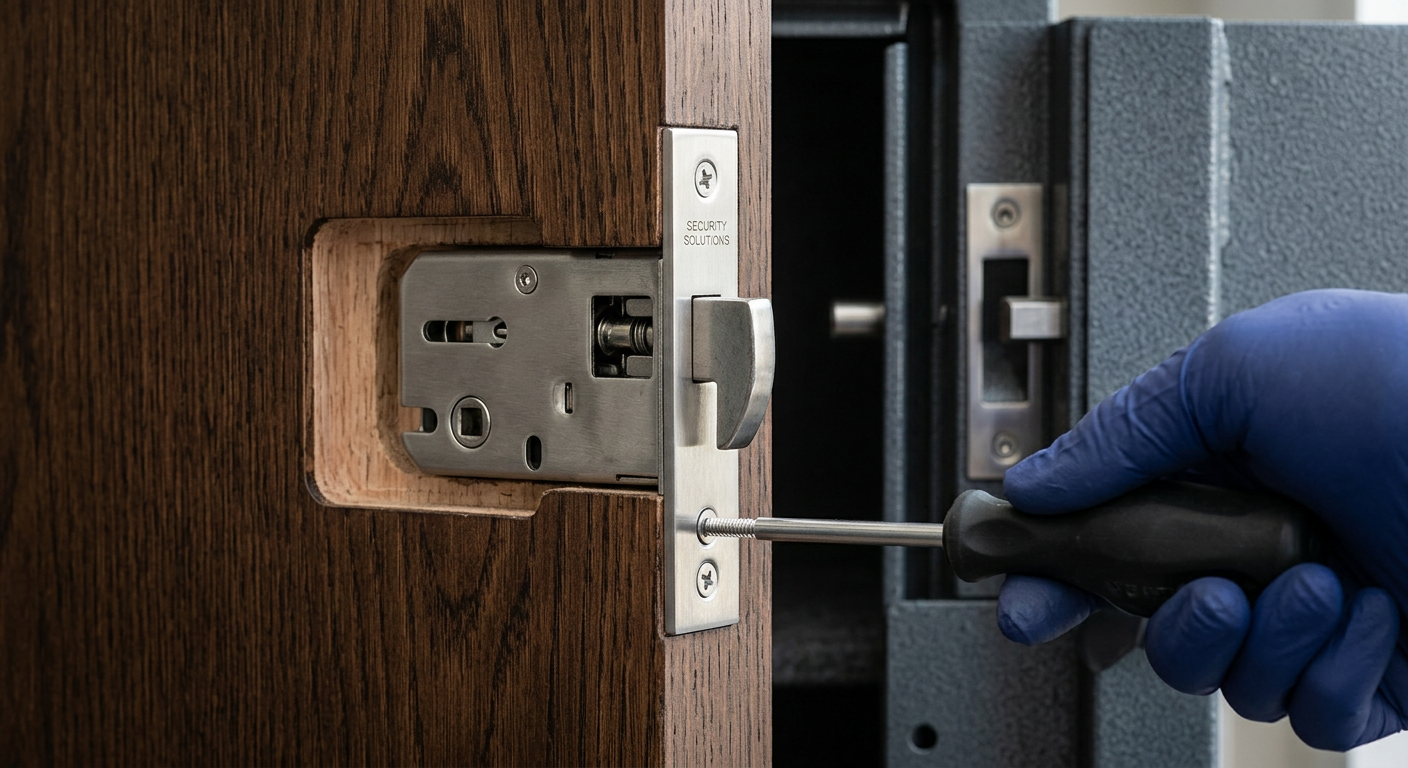
For very strong security, think about a mortice hooklatch with a 5-lever mechanism. These locks are much harder to force open or pick. Look for models certified to British Standard BS3621. This proves their quality and security. Many homeowners and businesses pick these for outside doors or gates needing extra protection. For example, a satin chrome finish can look good with modern door hardware. A good hooklatch will also have an anti-drill plate and a hardened steel bolt. This makes it tough for intruders to damage the lock. Always make sure the backset measurement matches your door's current setup for proper installation and function. Buying a high-quality hooklatch gives you much more peace of mind.
Conclusion: Secure Your Space with a Mortice Hooklatch
Installing a mortice hooklatch is a simple task. It adds better security for sliding doors or gates. By following these steps, you can confidently fit this strong locking device. Enjoy feeling safer knowing your property is better protected. A well-installed hooklatch acts as a big deterrent against unwanted entry. This keeps your valuables safe and your home secure. Taking the time to properly install this device is an investment in your safety. This guide showed you clearly how to install a mortice hooklatch well.
About This Article
Editorial Disclosure: This article was researched and written by our content team to provide helpful, accurate information about how to install a mortice hooklatch. We regularly review and update our content to reflect the latest industry developments and best practices.