



Protecting Your Entryway Beyond Basic Hardware
Upgrading your deadbolt is a great first step, but it only solves half the problem. Most forced entries succeed not by picking pins, but through blunt physical force. A heavy kick directs intense pressure into the jamb. That force quickly splinters soft wood away from the metal strike plate.
To truly learn how to improve door security, you must reinforce the entire frame alongside your locks. Check out our comprehensive door security guide to discover how balanced physical barriers keep intruders outside. For business premises or larger facilities facing similar challenges, specialized commercial door security solutions provide dedicated hardware and access control strategies. Strengthening these elements ensures your home stays safe from sudden impact.
Why Traditional Locks Account for Only a Fraction of Real Defense
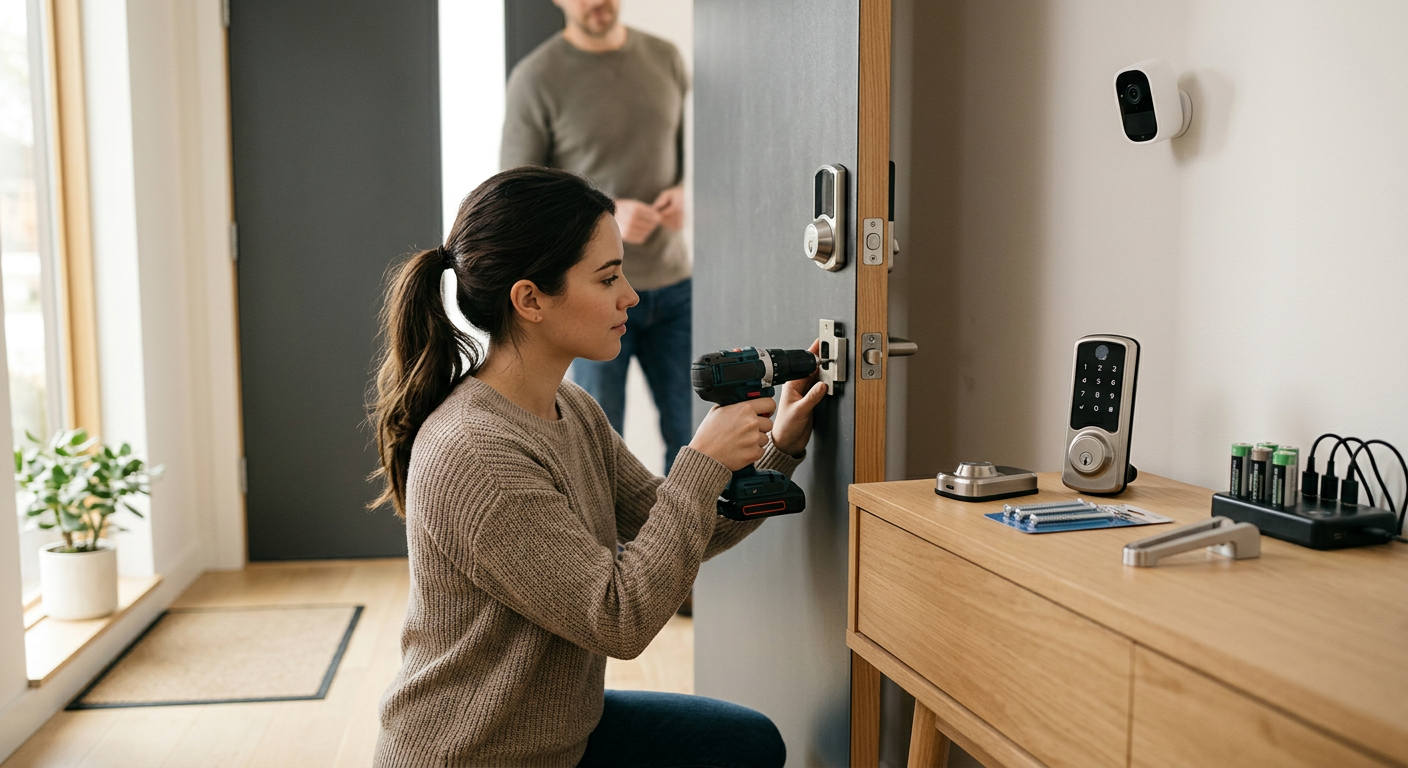
Most homeowners believe a heavy deadbolt is enough to keep intruders out. You might buy an expensive, pick-resistant lock and assume your home is safe. However, a lock cannot protect an entryway alone. It relies entirely on the surrounding frame to absorb blunt physical shock.
When an intruder attempts forced entry, they rarely waste time picking or bumping cylinders. Instead, they deliver a swift, heavy kick directly beside the locking hardware. That sudden impact generates hundreds of pounds of dynamic force against the door. The shock transfers instantly through the bolt and slams directly into the strike plate.
In these violent scenarios, the hardened steel deadbolt almost never snaps or bends. Physics dictates that kinetic energy targets the weakest point along the path. Standard residential door frames usually consist of soft pine or lightweight composite materials. Under sudden pressure, the wooden jamb splinters along the grain long before the metal fails.
Common construction habits make this mechanical weakness significantly worse for homeowners. Many builders secure the strike plate using short, three-quarter-inch wood screws. These shallow fasteners merely grip thin decorative casing rather than structural wall studs. A single hard kick rips the metal plate cleanly from the crumbling wood frame.
Door construction also creates a natural lever against the lock assembly. The hinges act as a solid fulcrum on one side of the opening. When blunt force strikes near the handle, mechanical leverage magnifies pressure against the jamb. Without heavy reinforcement plates, the wood surrounding the latch simply tears away under load.
This mechanical reality shifts how you must approach your physical defense. Real protection requires reinforcing the strike plate, frame, and door edge together. Without deep framing support, even high-grade deadbolts offer little more than an illusion of safety. Once you secure the frame, you can address other vulnerable parts of the entryway.
Reinforcing the Frame and Strike Area
A strong lock cannot protect your home if the surrounding entryway fails. Most forced entries happen when an intruder kicks the door open. The wood jamb gives way long before the deadbolt breaks. You can reinforce these physical components with a few straightforward hardware upgrades.
Start by upgrading your strike plate. Standard factory strike plates use short screws that only grip the decorative trim. Swap these out for heavy-duty steel strike plates secured with three-inch screws. These long fasteners anchor straight into the wall studs behind the jamb.
Full jamb reinforcement shields take physical defense even further. These heavy-gauge steel sleeves fit over the existing wood jamb. They distribute impact energy along the entire length of the frame. This stops the wood from splitting under heavy force.
Hardening Weak Points: Hinges and Architectural Glass
Do not forget the hinge side of your entryway. For outward-swinging doors, exposed hinge pins present an easy target for intruders. You can swap them for models with safety studs or non-removable pins. Drive three-inch screws through the hinges directly into the framing studs for extra strength.
Decorative glass creates another common vulnerability. Intruders frequently break sidelights or door glass to reach inside and turn the lock thumbturn. Applying clear, shatter-resistant security film reinforces these weak spots. The material holds broken glass firmly in place, helping prevent quick access.
Reinforcing both the locking edge and the frame provides a strong physical deterrent against break-ins. Once your physical frame is solid, you should focus on upgrading your locking mechanisms.
Upgrading Your Lock Architecture for Modern Threats
Standard door locks often fail against modern forced entry techniques. Basic brass hardware yields quickly to cordless power drills, heavy pry bars, and lock bumping tools. Modern lock architecture counters these threats by combining reinforced metallurgy with sophisticated access management.
Implementing certified, secure door locking systems ensures each perimeter access point is built to resist coordinated forced entry. Heavy-duty mechanical deadbolts remain the primary foundation for physical property defense. Robust models feature hardened steel anti-drill plates, rotating collar rings, and reinforced strike boxes. Hardened steel inserts protect the internal shear line from carbide drill bits. In addition, specialized keyways and serrated internal pins stop picking tools from lifting the tumblers.
Smart locks and biometric scanners introduce a completely different layer of entryway protection. They eliminate physical picking vulnerabilities by replacing traditional keyways with fingerprint readers or numeric touchscreens. Homeowners can issue time-sensitive entry codes to visitors without cutting spare keys. These automated systems also record detailed time stamps whenever someone opens or locks the door.
However, digital locks introduce wireless risks that require active defense. Insecure connections can leave your door vulnerable to radio frequency interception or remote attacks. Always choose hardware with verified commercial-grade data encryption. Features like multi-factor authentication and auto-expiring digital tokens prevent bad actors from cloning your access credentials.
Many security consultants advise pairing manual and electronic systems on high-risk exterior doors. You can mount an encrypted smart latch for daily traffic alongside a high-security manual deadbolt. This dual-tier layout gives you hands-free convenience without compromising raw physical stopping power. When digital batteries run out, your heavy manual bolt still provides an unyielding barrier against intruders.
Choosing the right locks is only part of the equation, as hardware must work together as a system.
Essential Hardware Solutions for Entryway Hardening
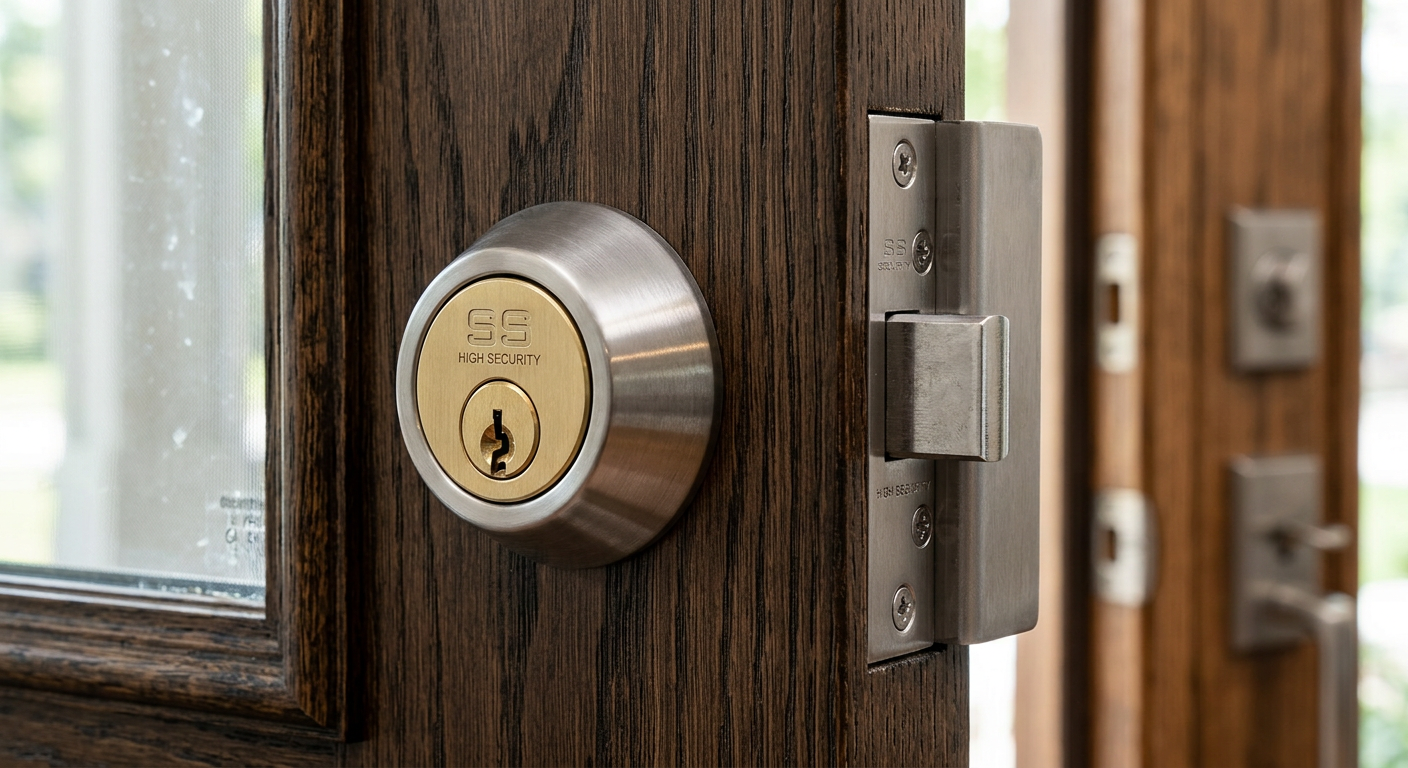
A sturdy deadbolt cannot protect your home if the surrounding frame splits under pressure. Most forced entry attempts target structural weak points rather than the lock itself. Hardening an entryway requires targeted upgrades that distribute blunt force across the entire door assembly.
Start by reinforcing the latch area. Standard factory strike plates use short screws that grip only the soft exterior trim. Replacing them with a heavy-gauge steel strike plate secured with three-inch screws anchors the assembly into the wall studs. This simple swap binds the door frame into the wall timber and prevents jamb blowout from sudden kicks. When sourcing reliable replacement cylinders and heavy-duty fittings, consulting the best Security Solutions shop in the UK can help you identify reputable, certified manufacturers.
Next, examine the lock core. Standard lock cylinders remain vulnerable to physical attacks like snapping, drilling, and bumping. Upgrading to a high-grade security cylinder with anti-snap sacrificial cuts and hardened drill-resistant pins safeguards the locking mechanism. Look for cylinders featuring restricted key profiles to prevent unauthorized key duplication.
Finally, assess the door slab itself. Hollow-core exterior doors offer minimal resistance against blunt impact. Retrofitting your entryway with a solid-core wood or steel-clad replacement provides genuine stopping power. Pair the slab with hinge-reinforcement pins to stop intruders from removing exposed hinge pins.
Together, these mechanical defenses turn a vulnerable threshold into a resilient barrier. Even the best hardware, however, requires ongoing upkeep to remain effective through changing seasons.
Maintaining Entryway Integrity Across Every Season
Weather shifts can quietly compromise your door security over time. Exterior wood swells during humid summers and contracts during dry winter freezes. These seasonal changes cause subtle shifts in your door alignment. Run a quick inspection every three months to catch subtle structural changes early.
First, test your deadbolt alignment. The bolt should slide effortlessly into the strike plate without you lifting the door handle. Any sticking points suggest natural frame settlement or sagging hinge plates. Tighten loose hinge screws with a screwdriver to pull the door back into square.
Next, inspect the condition of your weatherstripping and door sweep. Worn seals let moisture seep into the frame, causing hidden wood rot around the latch. Soft, rotted wood cannot hold screws firmly during an attempted break-in. Replace decaying seals immediately to keep the wooden structure dry and solid.
Finally, check your electronic hardware and power levels. Freezing winter temperatures drain batteries quickly, which can cause sudden smart lock failures. Replace power cells ahead of deep cold snaps to prevent unexpected lockouts. To protect other vulnerable entry points and back up your perimeter security with interior defence such as certified home safes, explore our complete guide to home security setups.
Frequently Asked Questions
Why should I upgrade my door strike plate?
Upgrading your strike plate is essential because standard plates use short screws that only secure into thin decorative trim. A heavy-gauge steel strike plate fastened with three-inch screws anchors directly into the structural wall studs behind the jamb. This distributes impact force into the wall framing and prevents the soft wooden jamb from splintering or blowing out when subjected to blunt force like kicks.
How do I protect decorative glass near my door locks?
You can secure entryway glass by applying clear, shatter-resistant security film directly to the surface. Intruders frequently break glass door panels or sidelights to reach inside and turn the deadbolt thumbturn. Security film reinforces these vulnerable spots by holding broken glass firmly in place, which delays and helps prevent quick physical access through the opening.
What type of door slab offers the best security against forced entry?
Hollow-core exterior doors provide very little resistance against physical impact and forced entry. To significantly improve entryway strength, replace hollow doors with a solid-core wood or steel-clad door slab. These sturdier materials offer genuine stopping power against heavy kicks and blunt force, forming a resilient physical barrier when paired with reinforced frame hardware.
How do seasonal weather changes affect door security?
Weather shifts cause wood to swell in humid summers and shrink during winter freezes, which can pull the door and deadbolt out of proper alignment. Additionally, worn weatherstripping allows moisture to seep into the frame, causing hidden wood rot around the latch that leaves screws loose. Freezing cold can also rapidly drain smart lock batteries, risking sudden electronic failure.
About This Article
Editorial Disclosure: This article was researched and written by our content team to provide helpful, accurate information about how to improve door security. We regularly review and update our content to reflect the latest industry developments and best practices.


