



Understanding Risks in Battery Energy Storage Systems
Battery energy storage systems (BESS) offer many great benefits. Still, they come with specific dangers. Lithium-ion batteries are common in BESS. They pose risks like fires, toxic gas leaks, and thermal runaway. We need to tackle these dangers head-on for safe operation. Protecting people, property, and the environment relies on strong battery storage safety solutions.
The Challenge of Lithium-Ion Battery Fires
Lithium-ion battery fires are uniquely serious. These fires can spread incredibly fast. Their intense heat makes them hard to put out. Old methods often just don't work. Firefighters struggle to control them. A big worry is that they can reignite. This happens even after the fire seems gone. Internal chemical reactions can cause them to flare up again. Experts often point out their unpredictable nature. This is a major concern, as NFPA Research showed in 2023. We need special fire suppression methods for BESS to protect lives and property.
Harmful Emissions and Environmental Impact
Fires aren't the only problem. Damaged batteries, even those not actively burning, release harmful gases. These include highly toxic compounds such as hydrogen fluoride. Breathing these gases causes serious health issues. People can suffer respiratory problems and chemical burns. The risk of poisoning is much higher in enclosed spaces. Environmentally, these toxins can pollute soil and water. This means we need strict rules for containing them. Proper disposal is also key to reduce long-term ecological damage. The U.S. Environmental Protection Agency (EPA) offers guidance on managing this hazardous battery waste.
Advanced Battery Storage Safety Solutions and Technologies
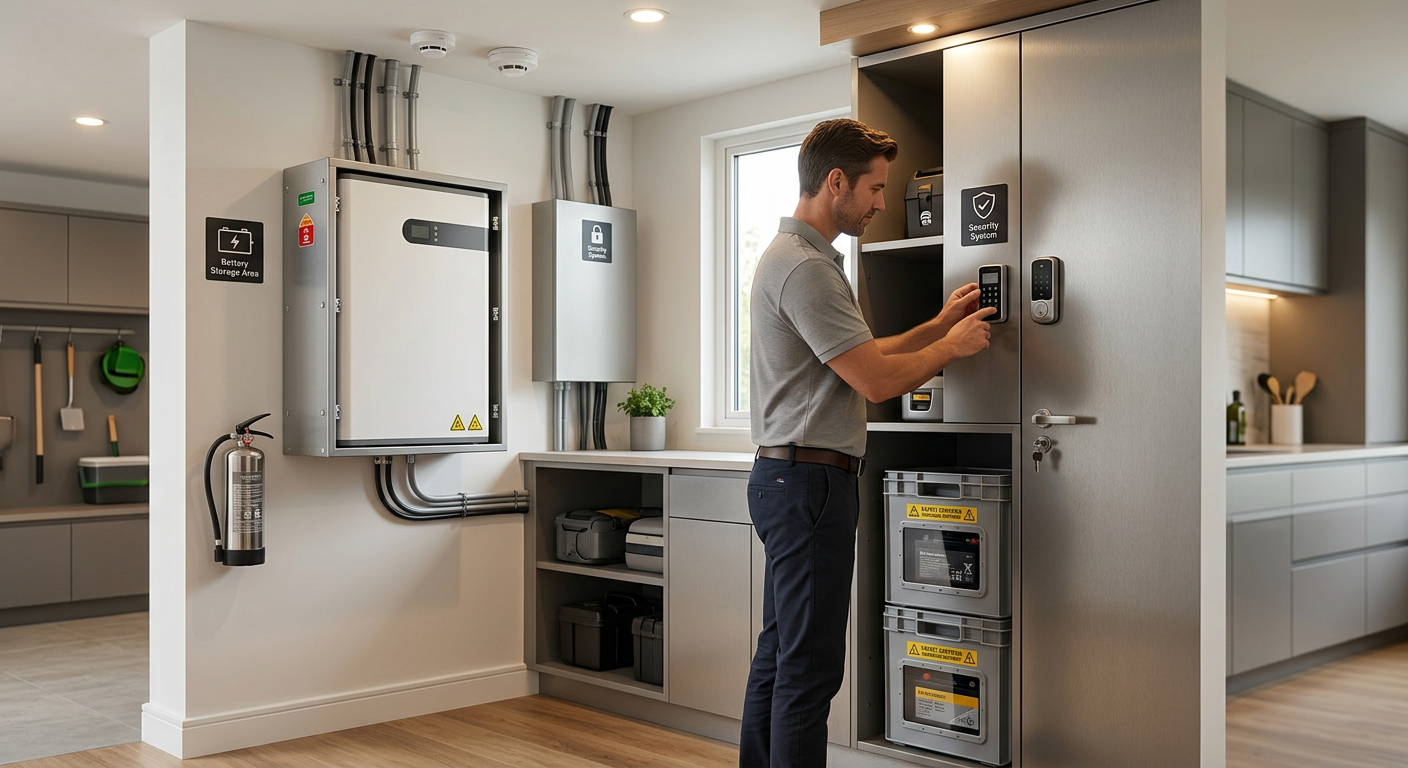
Proactive safety is crucial for any battery energy storage system. Today, industry advances offer vital protection. They guard against many potential hazards. These modern solutions go beyond basic safety steps. They give us better protection and more reliable operations. Many of them find and fix risks quickly. This makes them essential for effective battery storage safety solutions.
Next-Generation Fire Detection and Suppression
Regular fire suppression often fails with lithium-ion battery fires. New technology now offers much better protection. Immersion cooling is one such innovation. This method places battery cells into a special non-conducting fluid. This fluid quickly absorbs the heat. It stops thermal runaway from happening. Studies by Underwriters Laboratories (UL) prove immersion cooling works. It cuts fire spread in BESS by over 90%. Simple air cooling systems are far less effective. Other options include aerosol suppression systems. These release tiny solid particles. They break the chemical chain reaction of a fire. These systems are now more common in closed battery areas. These new approaches make things much safer. They specifically target the problems caused by battery fires.
Real-Time Monitoring and Integrated Safety Systems
Real-time monitoring systems help prevent BESS incidents. They constantly watch battery conditions. The Battery Management System (BMS) is a key part of this. A BMS checks each battery cell's voltage, temperature, and current. It spots anything unusual. These issues could lead to thermal runaway or other failures. For example, a changing cell voltage might trigger an alert. This happens well before a serious problem starts. Integrated safety systems combine BMS data with other sensors. These sensors can detect smoke, gas leaks, or unusual heat. All this data goes to a central unit. This unit can automatically shut down systems. It can also activate fire suppression. This kind of integration makes operations much safer. It gives a full picture of the system's health. Catching issues early means we can act fast. This lowers risks and protects valuable assets. Many industrial BESS now use predictive analytics. They use data to foresee problems. This occurs before they become critical. These systems improve safety. They also make battery performance better over time.
Ensuring Safe Installation and Operation for Battery Storage Safety
Careful planning is essential for safe battery energy storage systems (BESS). Correct installation and ongoing checks prevent many problems. These steps protect equipment and people. Following best practices is key for long-term reliability. This is vital for overall battery storage safety.
Ventilation and Thermal Management Strategies
Good ventilation is critical for BESS safety. Batteries can release gases. This happens when they aren't working right. These gases need to be moved out fast. This stops them from building up and causing explosions. Steady airflow also controls heat. Too much heat leads to thermal runaway. This is a dangerous process where the battery heats itself. Special HVAC systems or natural cross-ventilation manage temperatures. For example, big BESS facilities often use liquid cooling loops. Keeping temperatures between 15-30°C makes batteries last longer and stay safer. The National Fire Protection Association (NFPA) recommends this range. Regular checks ensure all ventilation equipment works perfectly.
Strategic Site Selection and Community Engagement
Picking the right spot for a BESS is very important. Sites should not be near crowded neighborhoods. Being close to emergency services is also a good idea. Think about flood zones, earthquakes, and wind patterns. For example, putting BESS on raised platforms helps in areas prone to floods. Talking with local communities builds trust. Tell residents about safety rules. Share emergency plans with them. Public meetings can address worries. They also gather helpful local ideas. Working with fire departments ensures they understand the dangers. They also learn how to respond. This forward-thinking approach helps get projects built. It improves how people see public safety. These are important battery storage safety solutions for responsible development.
About This Article
Editorial Disclosure: This article was researched and written by our content team to provide helpful, accurate information about battery storage safety solutions. We regularly review and update our content to reflect the latest industry developments and best practices.